Natural quartz crystal, Hokkaido, Japan
Crystal UMO® Water-Soluble Silica
(Hexagonal Silicic Acid)
Water-soluble silicon mineral extracted from Natural Quartz Crystal.
Origin
From Crystal to Bioactive Silica Mineral
Natural Quartz Crystal contains 99 % pure silica. It is heated to about 2,000 °C to form amorphous silica, then dissolved in biofunctional water.
Silica (silicon dioxide) is silicon + oxygen. Amorphous silicon is a trace mineral in skin, hair, nails and bones, and the body absorbs it only as silicic acid (orthosilicic acid, H₄SiO₄).
Process
Manufacturing Process of UMO® Silicon
Why do we choose crystal as our raw material? Because natural crystal contains up to 99 % silicon dioxide with almost no impurities. It is much purer than plant-based sources such as rice husks or bamboo, which contain only about 5–20 % silicon.
Specification
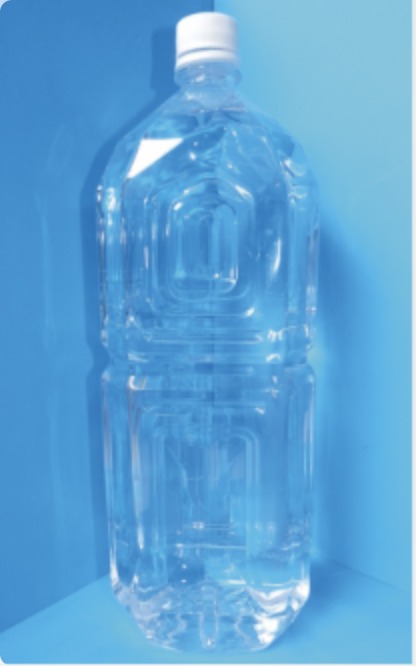
Crystal UMO® Liquid and Powder: Product Specification
| Liquid | Powder | |
|---|---|---|
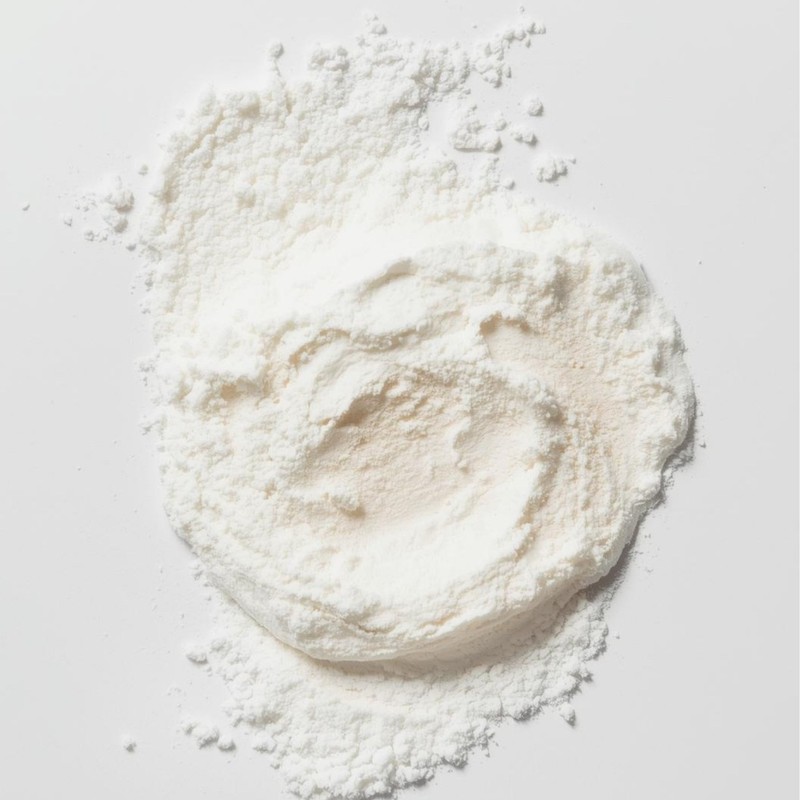
| Appearance | Colourless, non-viscous liquid | White, odourless powder |
| Silicon content | 8,000–9,300 ppm | 25 % or more per 100 g |
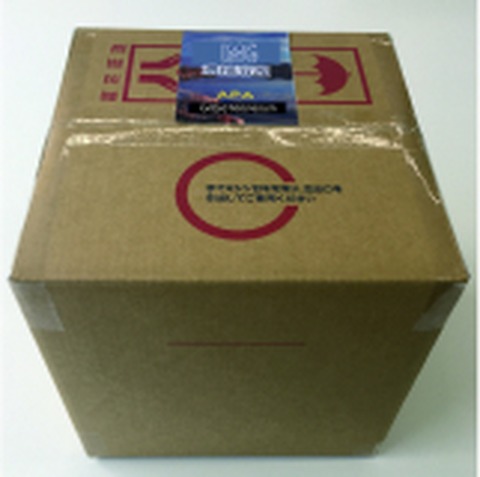
| Volume | 2 L or 20 L | 1 / 5 / 10 / 20 kg |
| Application | Cosmetics (INCI registered), for cosmetic use only | Supplements (capsules and tablets) |
| Recommended intake | 1–3 % v/v | 160–320 mg per day |
Test
Silica Powder Dissolution Test
Method: dissolve 100 mg (0.1 g) of the powder in 100 mL of water. Then measure the dissolution state and the silicon content in the water. UMO has the highest silica concentration and dissolution.
| APA Corporation Co., Ltd. UMO® Powder | Company A Silica Powder | Company B Rice Husk Silica Powder | |
|---|---|---|---|
| Product photo | 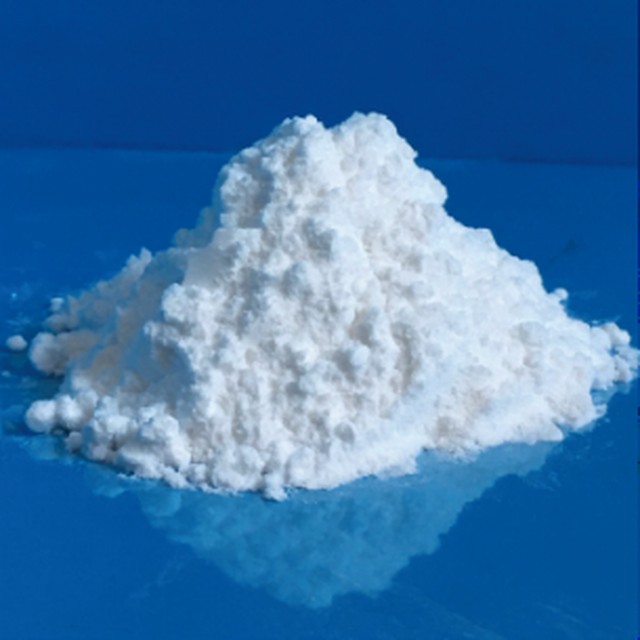 | 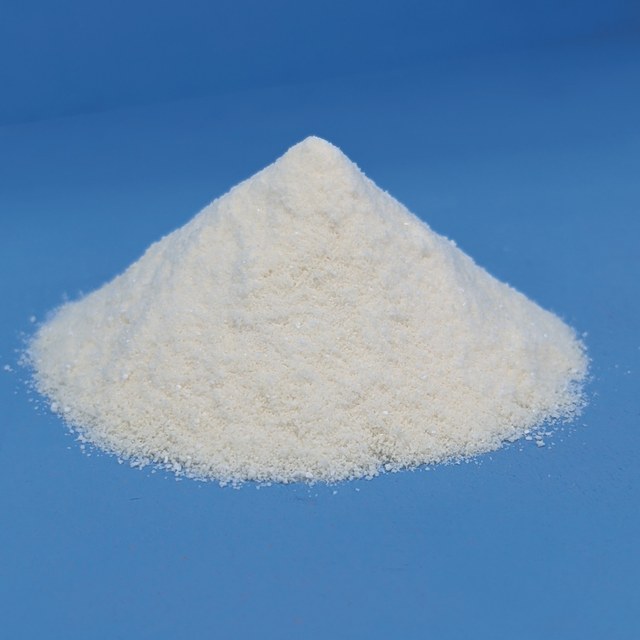 | 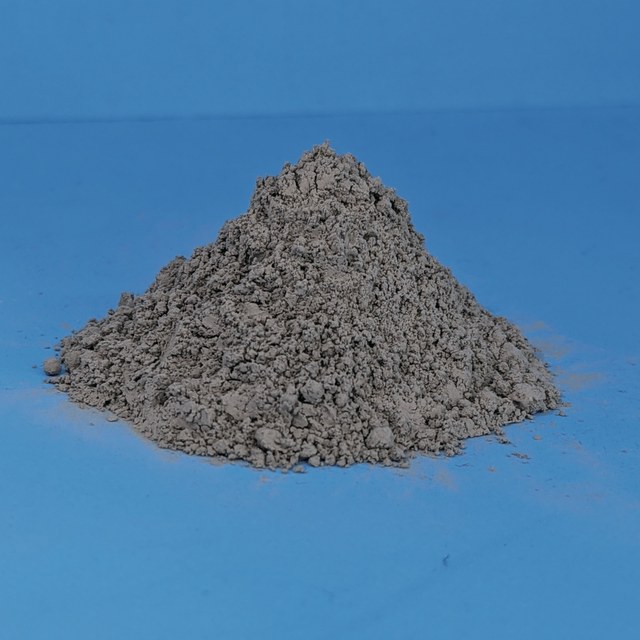 |
| Dissolution state | Almost dissolved | Precipitated and insoluble | Precipitated and insoluble |
| Photo of the dissolution state | 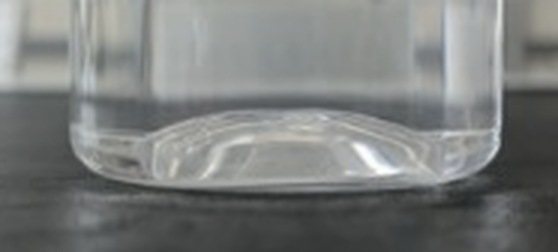 | 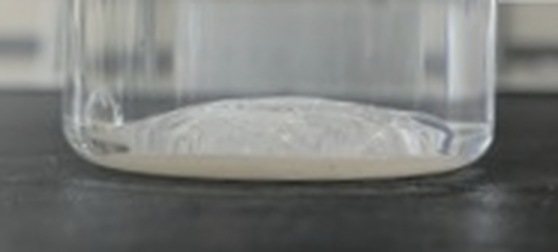 | 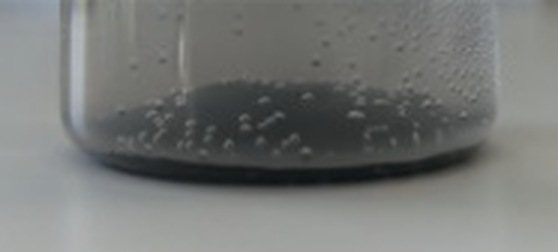 |
| Silicon content after 60 minutes | 287 ppm | 43 ppm | Below 1 ppm |
| Standard value | More than 25 % | More than 41 % | More than 10 % |
Applications
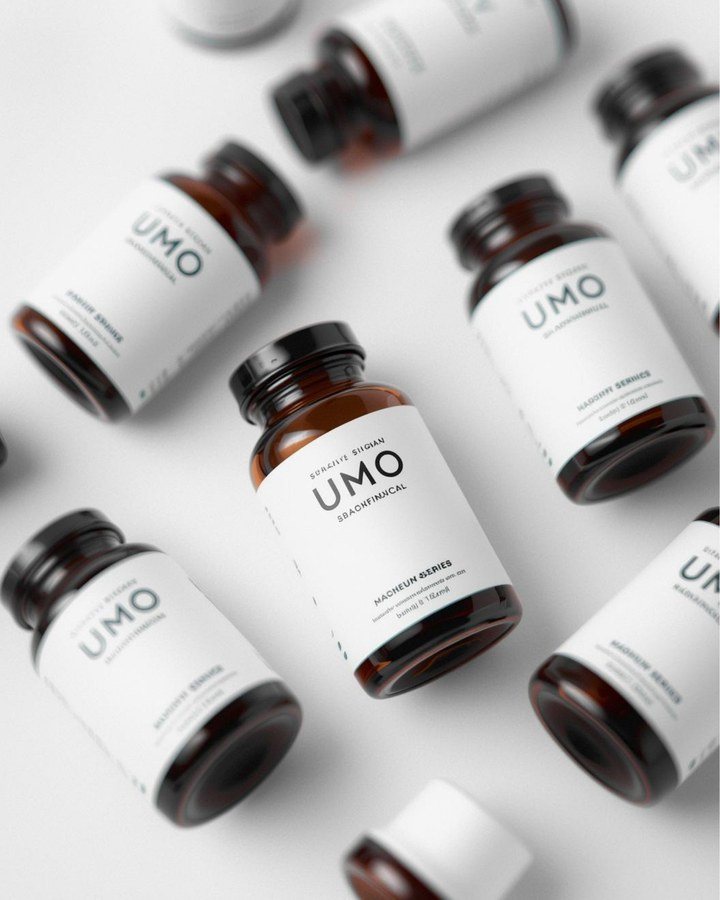
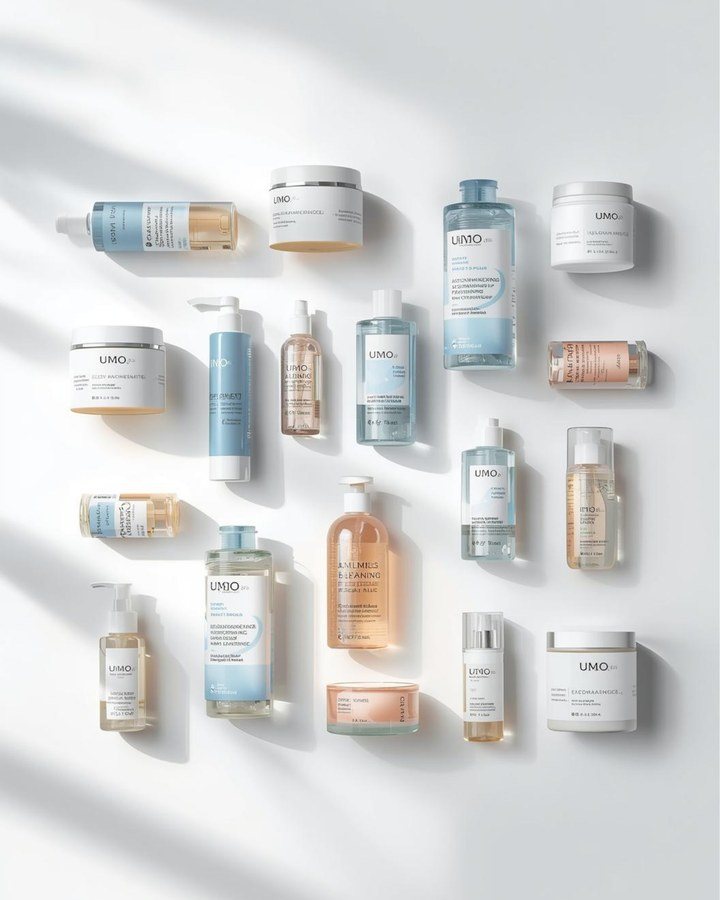
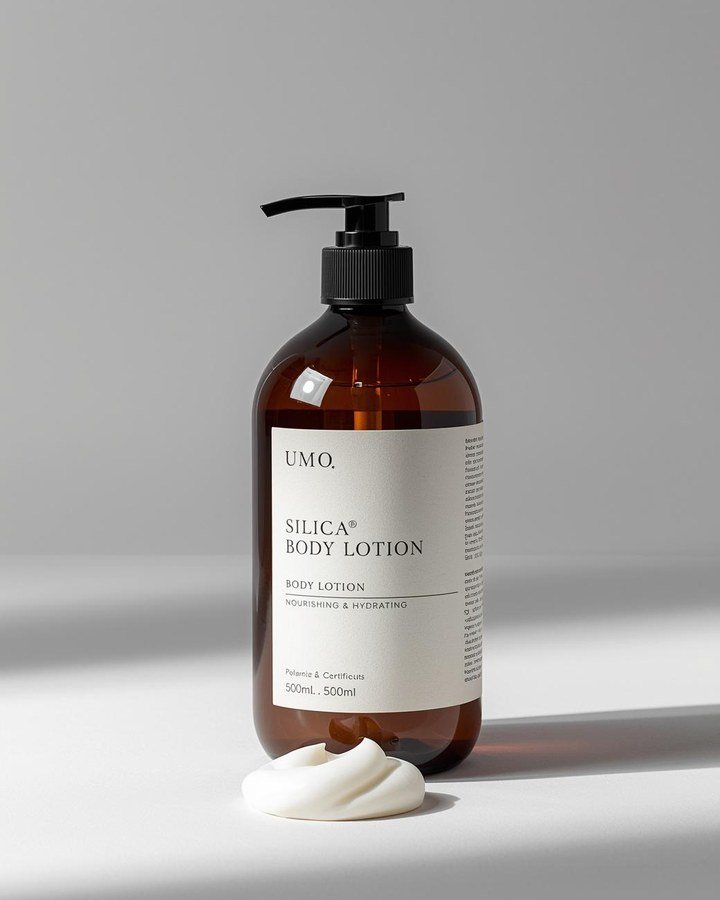
How UMO® Raw Material Can Be Used
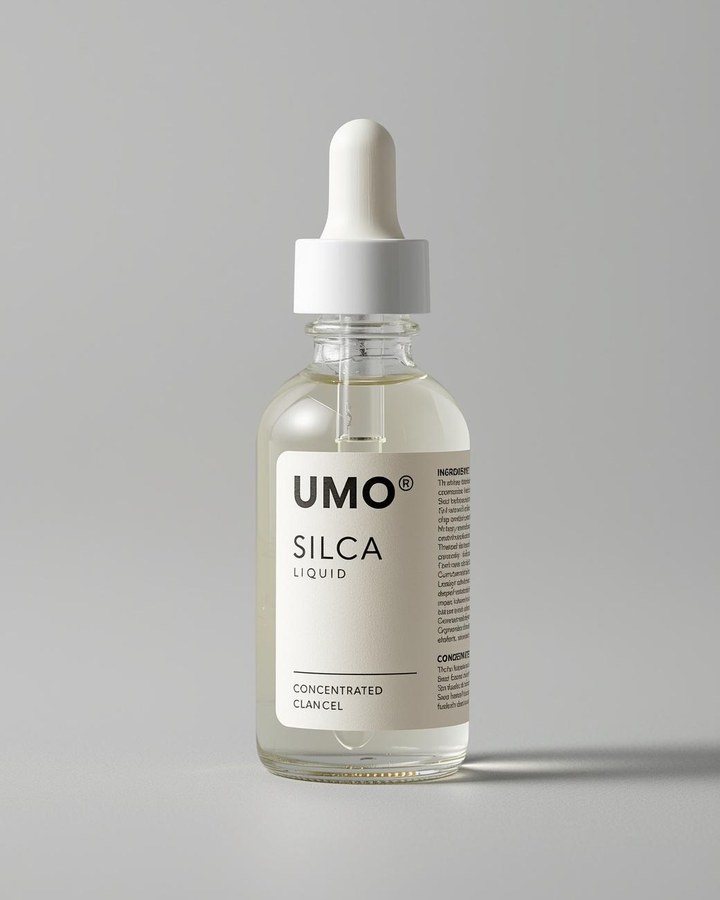
Powder for supplements. Liquid for skincare and body care.
Why UMO®
Why Choose UMO® Water-Soluble Silica?
Patented Technology
Patented Molecular Restructuring Technology
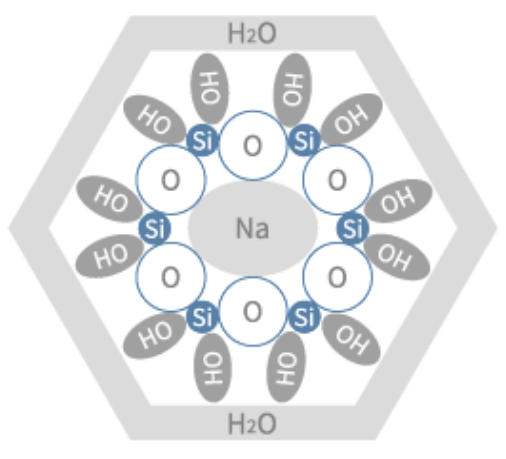
UMO Silicon is a hexagonal nano-oligosilicic acid (Si₆O₆(OH)₁₂, 0.8–1 nm) specially designed with a unique molecular structure, so that the silicon is bioavailable (data in Evidence).
Why is UMO Silicon designed this way?
Evidence
Research Papers
Scientific research papers supporting safety and efficacy.
 Blood pressure (Prehypertension)Human clinical trial, n = 30Blood pressure regulation study for functional labelling.Lead: Dr. Jimbo, Faculty of Medicine, Tottori University
 Blood sugar (prediabetes)Human clinical trial, n = 30Clinical benefits of water-soluble silica for blood sugar.Lead: PRIMANEXUS clinical research, Malaysia
 Male vitality (ED)Human clinical trial, n = 30Effect of water-soluble silica on male sexual function.Lead: Prof. Tamura, Chiba University
 Bone health (osteoporosis)Human clinical trial, n = 100Bone density in middle-aged and older adults.Lead: Prof. Nakamura, Aichi Medical University Hospital
 Plant UMO® on tomatoesApplication studyHighly concentrated plant-derived silicic acid solution for tomato growing and farm optimisation.Lead: Dr. Tachida, Toyama Prefectural University
Health | Human Studies
↓ 8–10mmHg
Systolic blood pressure
Reduction, mmHg. Solid bar = lower value, pale = upper value
Diastolic ↓5–7 mmHg. 9 mL/day, n=12, 6 weeks.
↓ 3kg
Body weight, fatty liver study
9 mL/day, n=40, 6 months.
Beauty | Human Studies
↓ 30.6%
Wrinkle area at the eye corner
Relative value, control = 100
2D replica analysis, undiluted, n=5, 20 minutes after application.
↓ 20.0%
Transepidermal water loss, up to
Relative value, control = 100 (best case)
Undiluted, n=6, 2 hours.
Quality
Certifications and Testing
Certification




Coming soon
Coming soon
INCI registration

Test institute

Laboratories

Kenkyusho
Analysis Center
UMO®
Interested in Crystal UMO® for your product?
FAQ
Crystal UMO® Water-Soluble Silica: Frequently Asked Questions
What is Crystal UMO® water-soluble silica?
Crystal UMO® is an amorphous (non-crystalline), water-soluble silica ingredient made by APA Corporation in Aichi, Japan. Natural Quartz Crystal from Hokkaido is combusted at about 2,000 °C for 8 hours, the amorphous silica is collected and dissolved in purified water with sodium bicarbonate as a stabiliser. It is supplied as a liquid (silicon 8,000–9,300 ppm, pH 9–11) and as a powder (silicon ≥ 25 %).
Is UMO® crystalline silica?
No. Crystalline silica (cristobalite, tridymite) is the industrial form and is not used in food or cosmetics. An X-ray diffraction analysis of UMO® Concentrated Solution M and R (Anzen Kenkyu Center Takaoka, report AR0111181, 4 December 2019) detected no cristobalite or tridymite peaks. UMO® is the amorphous form.
What is the difference between silicon (Si) and silica (SiO₂)?
Silicon is a chemical element, like calcium or magnesium. Silica is the compound of silicon and oxygen found in quartz, sand and glass. The body takes up silicon only in a water-soluble form (silicic acid). UMO® converts quartz-derived silica into that water-soluble form so the silicon can be used in beverages, supplements and skincare.
Which forms and pack sizes are available?
UMO® Silica Liquid in 2 L and 20 L; UMO® Silica Powder in 1 kg, 5 kg, 10 kg and 20 kg; and finished UMO® OEM products in 50 ml, 100 ml and 500 ml bottles made in Japan.
What can UMO® be used in, and at what level?
Health supplements (capsules and tablets), silica mineral beverages, skincare and pet products. The powder specification gives a recommended intake of 160–320 mg per day (about 40–80 mg of silicon). For cosmetics the INCI name is Silica. Permitted use levels and categories differ by country and must be confirmed for each market.
Which certificates and tests does UMO® have?
GMP from MAFF Japan (ref. SH0011807, Codex GHP CXC 1-1969 with HACCP, valid until 24 August 2029), Halal from NAHA (ref. SU211129-1-APA) and an INCI assignment (Silica) from PCPC. UMO® contains no allergens, GMO, animal-derived materials or preservatives and is suitable for vegan products. Shelf life is 3 years unopened.
What safety data is available?
Acute oral toxicity tests in mice (OECD 420) on the concentrated solution and the micron powder found no deaths or abnormalities at 2,000 mg/kg (LD50 > 2,000 mg/kg). A bacterial reverse mutation (Ames) test was negative. A 28-day rat study (Test No. 21775, adenine-induced kidney damage model) found no toxicity in blood biochemistry or haematology. These are animal and laboratory studies; full reports are on the Evidence page.
What human evidence exists for water-soluble silicon?
A 6-month human study at Aichi Medical University Hospital examined UMO® water-soluble silicon in non-alcoholic fatty liver disease (NAFLD). A separate 6-week study in 12 adults with pre-hypertension (9 mL per day) reported systolic blood pressure about 8 mmHg lower and diastolic about 5–7 mmHg lower (p < 0.05). Both are small studies; UMO® is a food and cosmetic ingredient, not a medicine.
Does UMO® have patents?
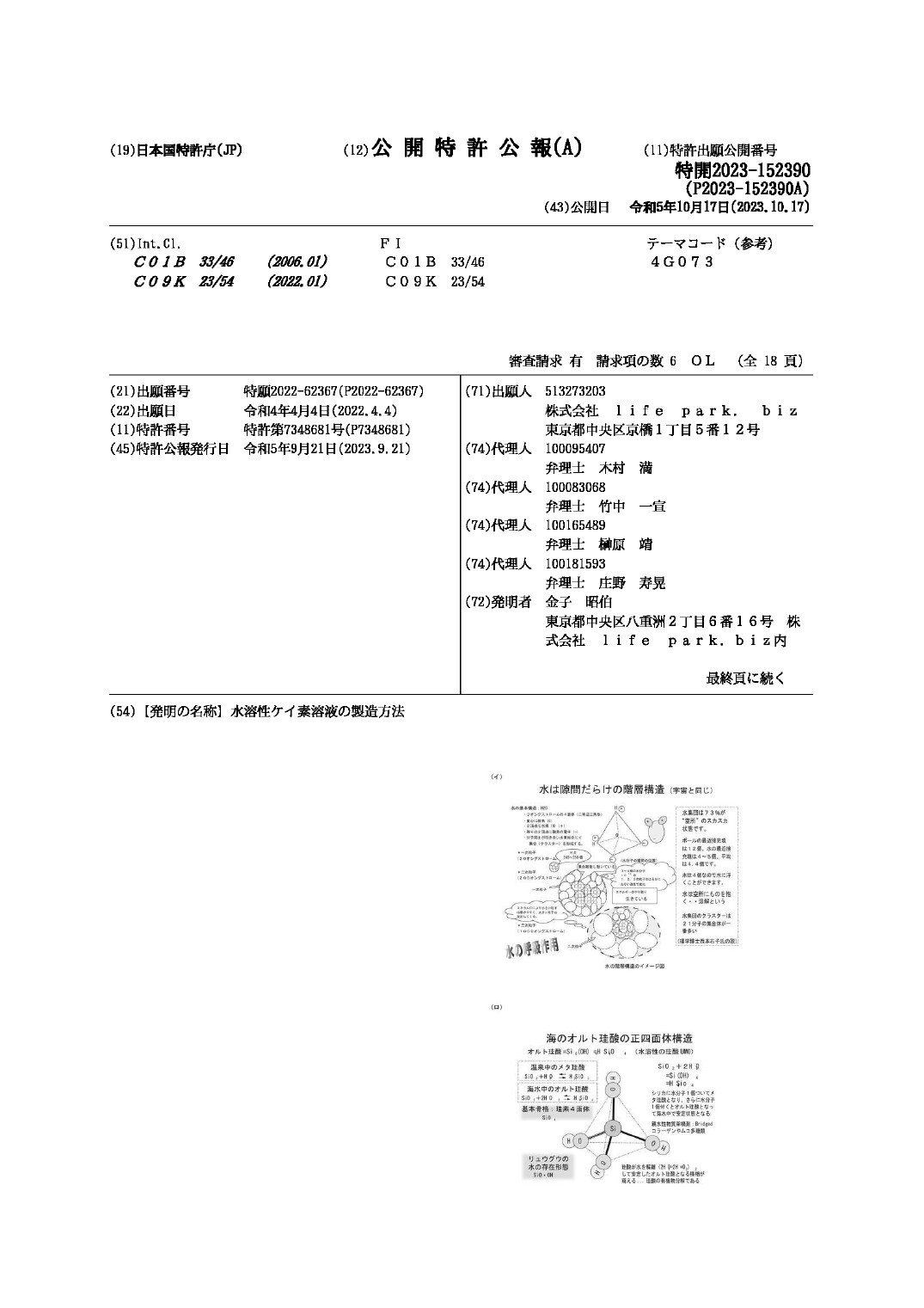
Japanese patent applications have been published using umo® as the silicon source: JP 2018-90611 A (method of use for a water-soluble solution containing edible silicon), JP 2022-15622 A (composition for preventing skin ageing) and JP 2023-152390 A (method for producing water-soluble silicon solution). These are published applications, not evidence of regulatory approval.
Who manufactures UMO® and who supplies it outside Japan?
UMO® is manufactured by APA Corporation Co., Ltd., founded in 2004, with its factory in Obu City, Aichi, Japan. KIWITA SDN. BHD. in Penang, Malaysia is APA Corporation's overseas sales company for all markets except Japan and supplies raw material, OEM finished products and the full document package (SDS, specification, COA, flow chart, certificates and test reports).
Why do Japanese brands use water-soluble silicon, and is it new overseas?
In Japan, water-soluble silicon has been a recognised ingredient since 2004 and is classified as a silicon-containing food; UMO® supplies about 90 % of the Japanese silica raw-material market and is used in supplements, skincare and beverages from major Japanese companies. Outside Japan the category is still early, so brands can be first in their market with a Japanese-proven ingredient.
How does UMO® differ from silicon dioxide, colloidal silica and plant-extract silica?
Silicon dioxide powder used as an anti-caking agent and most plant-extract silica are insoluble and are not taken up by the body. In a dissolution test of 100 mg of powder in 100 mL of water, UMO® Powder gave 287 ppm silicon after 60 minutes, Company A's silica powder 43 ppm and Company B's rice-husk silica powder below 1 ppm. UMO® is amorphous, not crystalline, confirmed by X-ray diffraction (report AR0111181, 2019).
Is UMO® sodium silicate (water glass)?
No. UMO® Concentrated Solution is water 95.82 %, amorphous silica (SiO₂) 1.99 % and sodium bicarbonate 2.19 %. Sodium bicarbonate is the pH stabiliser; there is no sodium silicate or sodium metasilicate. The silicon is present as hexagonal oligo-silicic acid, Si₆O₆(OH)₁₂, 0.8–1 nm.
What product formats can an R&D team develop with UMO®?
Beverages: silica mineral water and functional drinks with UMO® Liquid (OEM guideline 5–9 mL per day of concentrate). Supplements: capsules, tablets and sticks with UMO® Powder (160–320 mg per day). Skincare and hair care: serums, lotions, body care and shampoo at 1–3 % v/v of UMO® Liquid. Pet: pet food and pet supplements.
What is the daily silicon intake from UMO® products?
UMO® Powder at 160–320 mg per day supplies about 40–80 mg of silicon; UMO® OEM liquid at 5–9 mL per day supplies about 40–84 mg of silicon. These figures are used for regulatory checks in markets that set a daily silicon limit.
What skincare test data is available?
Clinical and in-vitro reports on UMO® Liquid include: wrinkle area at the eye corner reduced 30.6 % within 20 minutes (2D replica analysis); hyaluronic acid production increased 24.3 % through HAS2/HAS3 stimulation; transepidermal water loss reduced by up to 20 % within 2 hours; hair breaking force increased 14.7 % at 5 %; 99.9 % antibacterial effect against Staphylococcus aureus. Full reports are in the evidence package.
Why does the hexagonal molecular structure matter?
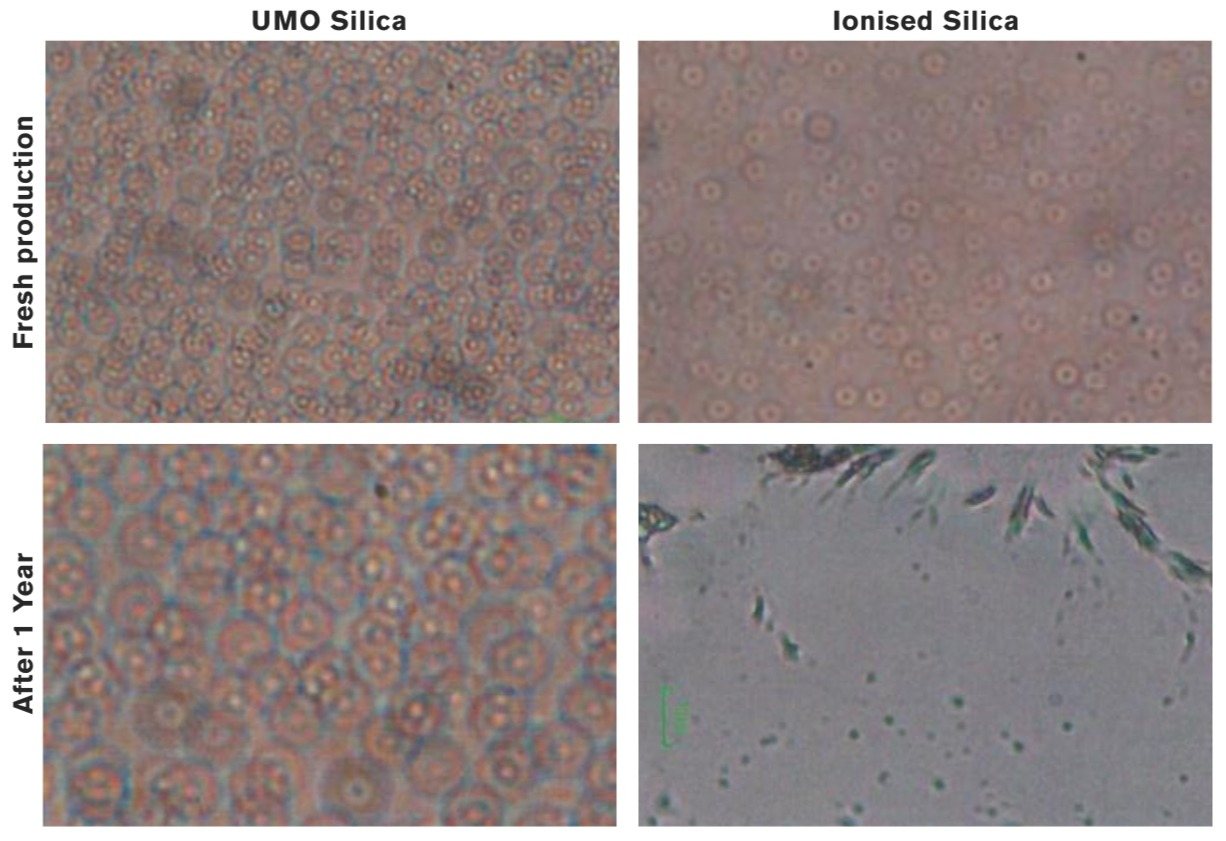
UMO® silicon is a hexagonal ring of six silicic acid units, Si₆O₆(OH)₁₂, about 0.8–1 nm in size. The structure keeps the silicon stable and dissolved in liquid instead of polymerising into gel, which is why the concentrate can be stored for 3 years and diluted into beverages and cosmetics. The production method is described in Japanese patent publication JP 2023-152390 A.
How is UMO® handled in formulations?
UMO® Liquid is alkaline (pH 9–11), so at 1–3 % in a cosmetic the finished pH rises slightly and is adjusted as usual. The liquid contains no preservatives and has a shelf life of 3 years unopened. Finished products need their own stability, preservation and safety assessment.
How is UMO® regulated in Japan and in export markets?
In Japan it is a silicon-containing food, not a food additive, and the powder is INCI registered as Silica for cosmetics. APA Corporation's factory holds a MAFF Japan GMP certificate (Codex GHP and HACCP), which the Thai FDA accepted for import registration in 2026. In other countries the importer registers the product; KIWITA supplies the SDS, specification, COA, flow chart, certificates and test reports.
Can I get a sample for formulation trials?
Yes. A 100 mL sample of UMO® Liquid or a small pack of UMO® Powder is supplied for formulation trials, together with the technical documents. Contact KIWITA with your company name and the product you are developing.