Rice husk, Japan
Plant UMO® Water-Soluble Silicic Acid
Concentrated silicic acid made from Japanese rice husk.For crops and livestock.
Origin
Silicon From Rice Husk, Made Water-Soluble
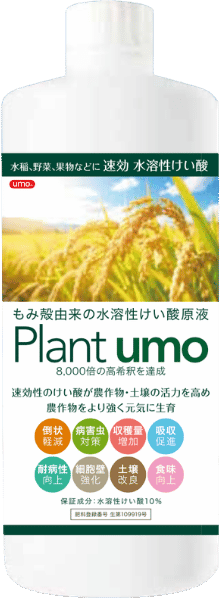
Plant UMO® is a concentrated, water-soluble silicic acid (Si₆O₆(OH)₁₂), made from rice husk grown in Japan.
Silicon is a beneficial element for plants. It helps strengthen plant structure and improves tolerance to stress.
Ingredient
Plant UMO® Silicic Acid: Product Specification
How to use
How to Use Plant UMO® on Crops and Livestock
Application methods and doses.
| Dilution / Dose | Timing | |
|---|---|---|
| Foliar spray | 5,000× or 8,000×Si approx. 10.6 / 6.6 ppm after dilution | Seedling to growth stage, every 7–10 days |
| Irrigation | 5,000× or 8,000×Si approx. 10.6 / 6.6 ppm after dilution | Seedling to growth stage, every 7–10 days |
| Hydroponics | 5,000× (by nutrient solution volume)Si approx. 10.6 ppm after dilution | Seedling to growth stage, every 7–10 days |
| Paddy rice (foliar spray) | 2,000× (100 mL per 10 a each time, in 200 L water)Si approx. 26.4 ppm after dilution approx. 53 g Si per ha each time | 3 times: before transplanting, about 30 days and about 60 days after transplanting (3rd spray as close as possible to 40 days before heading) |
| Livestock | 3 % v/v per serving | – |
Process
How Plant UMO® Is Made
Rice husk is a by-product of rice. It contains about 15–20 % silicon dioxide (SiO₂).
Silicon
What Makes Plant UMO® Different?
Silicon is a beneficial element for plants. It supports plant growth and stress tolerance.
Plant roots mainly absorb orthosilicic acid (OSA, H₄SiO₄) dissolved in water.
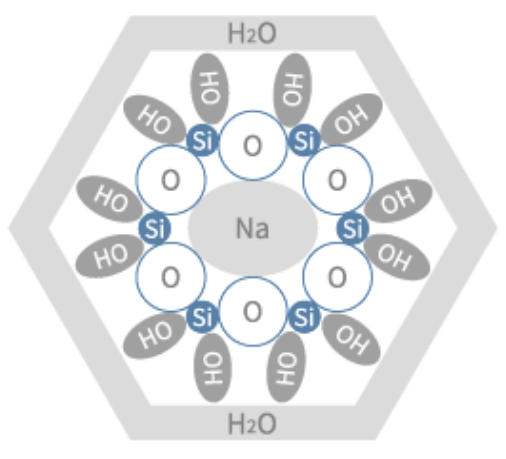
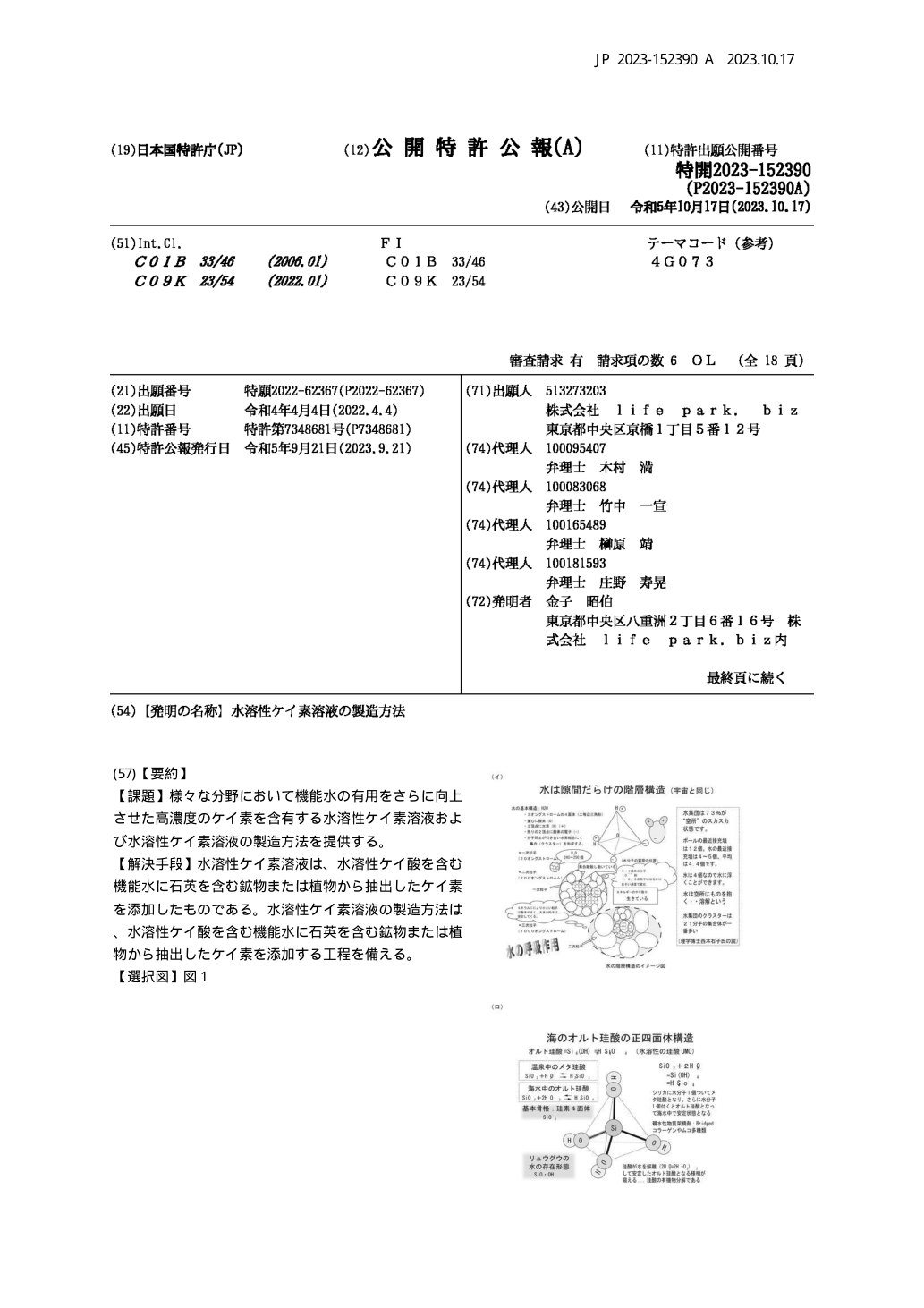
Hexagonal structure, resulting in
Patents
Bioactivity
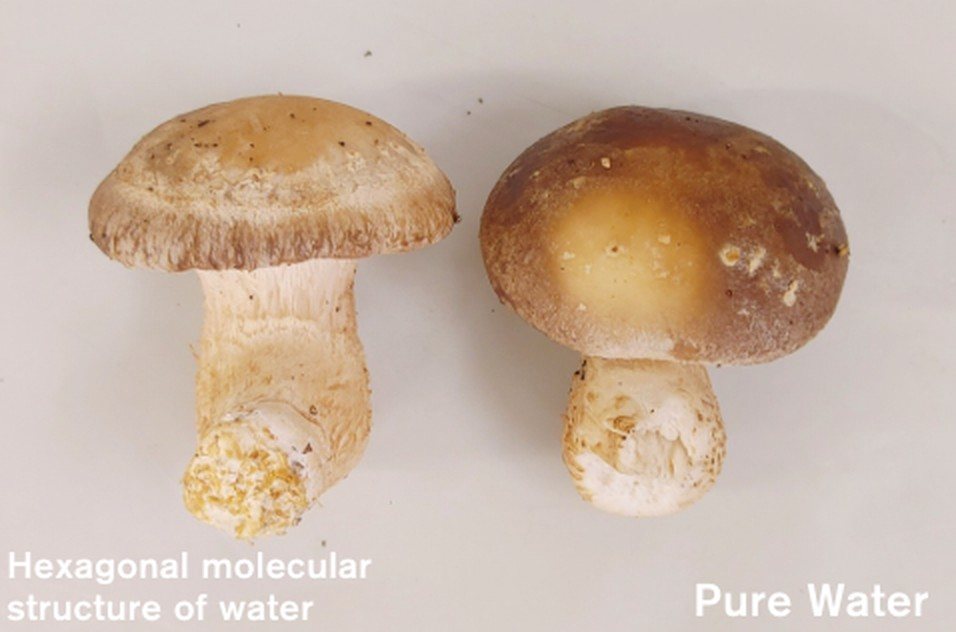
Hexagonal Water Is Also Bioactive for Plants
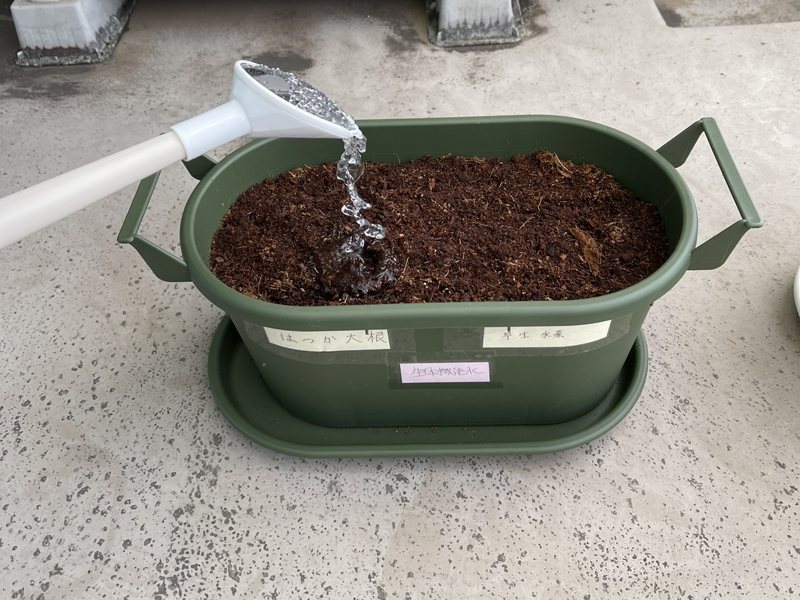
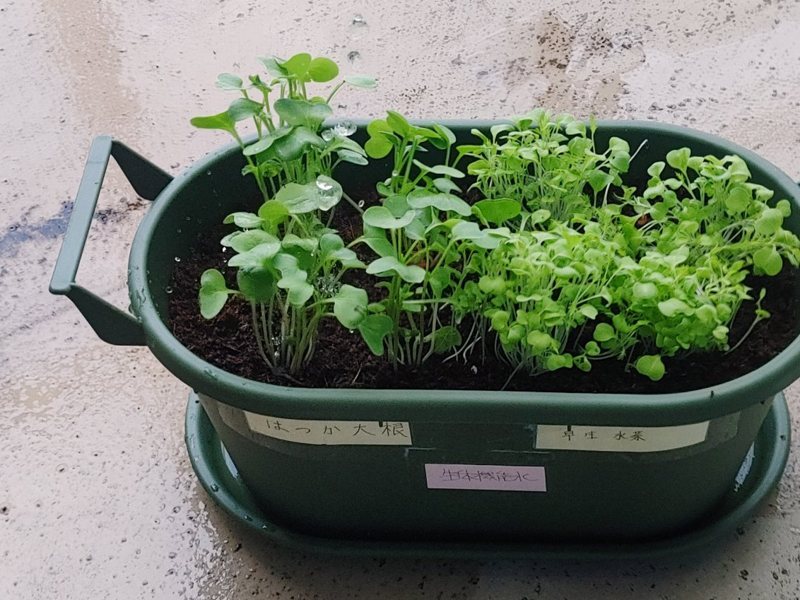
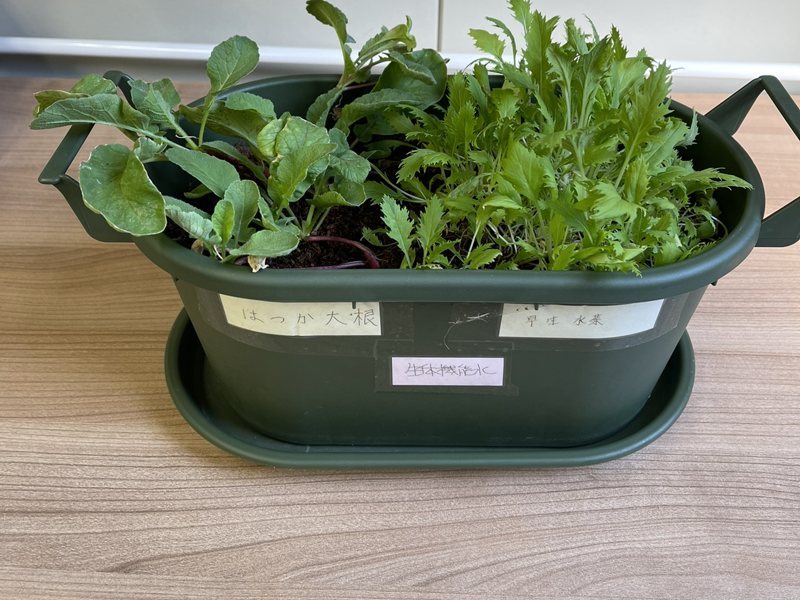
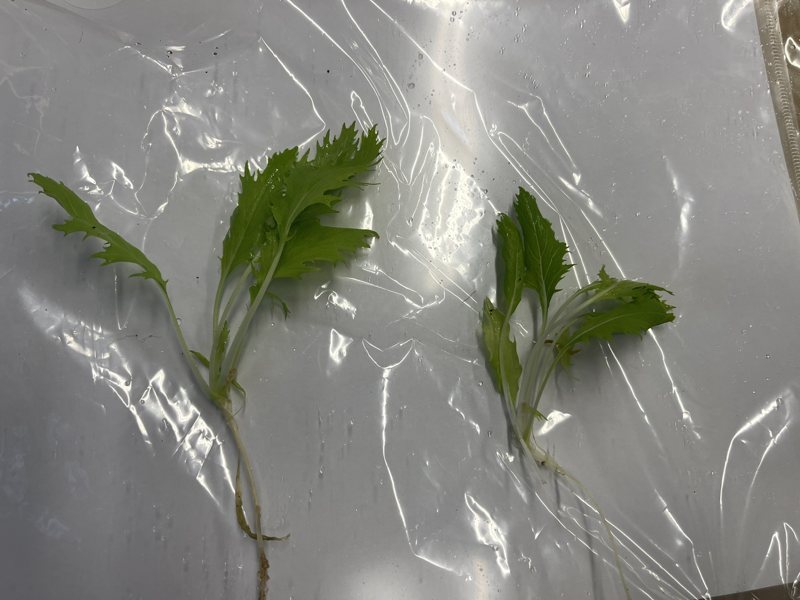
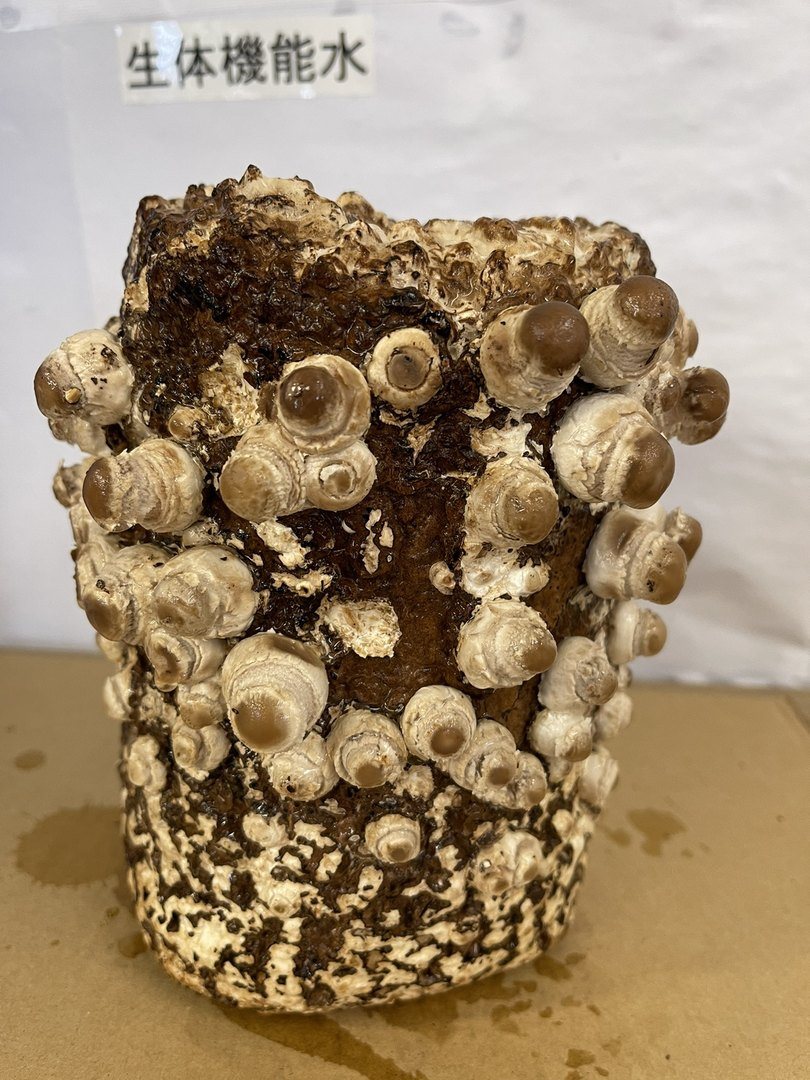
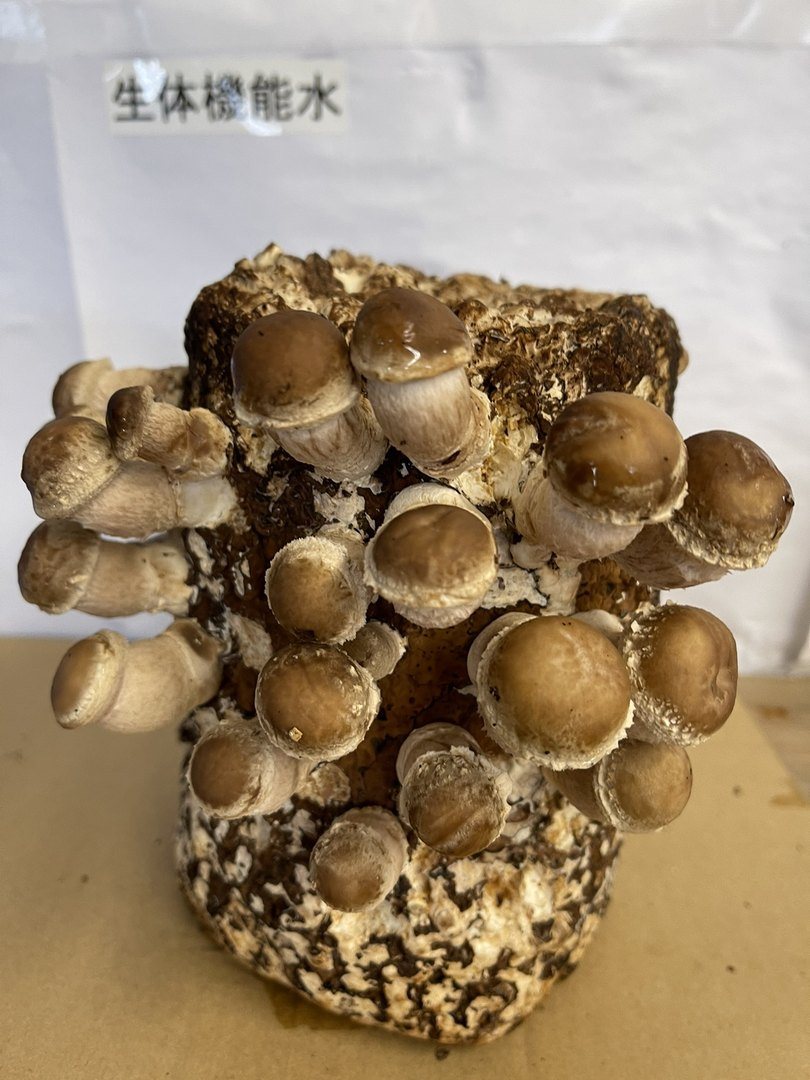
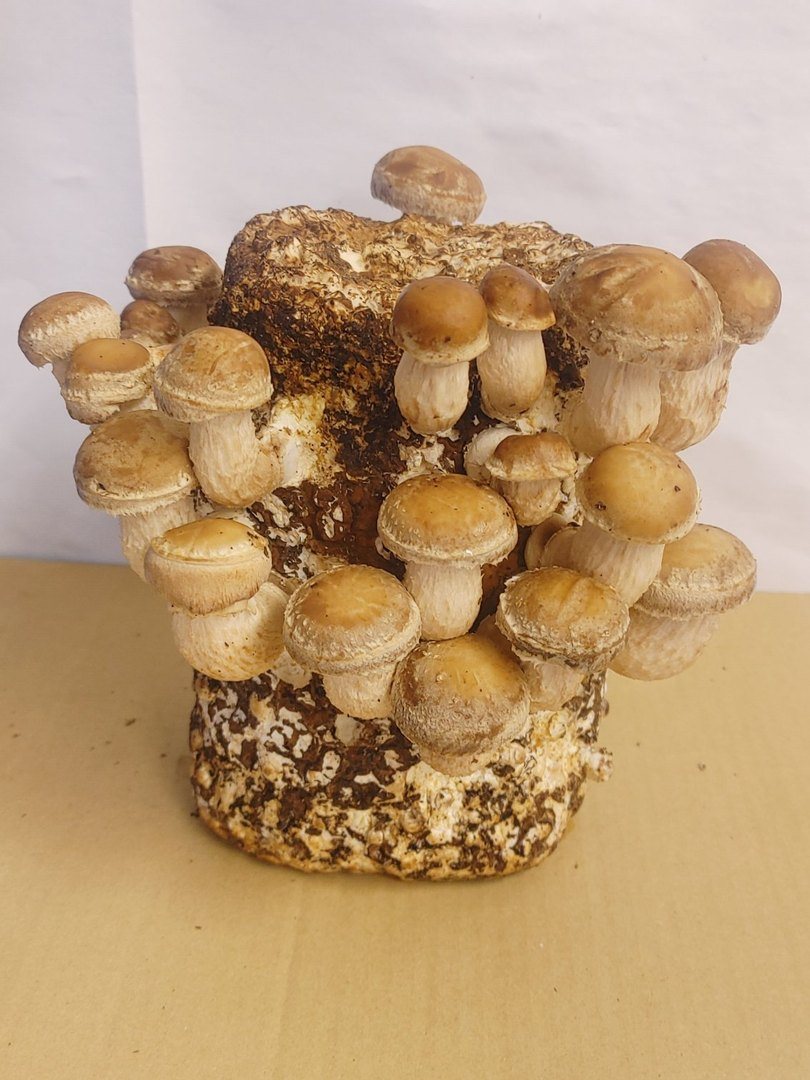
Plants and mushroom beds grown with hexagonal-structure water vs pure water.
Vegetables Cherry radish | Mizuna
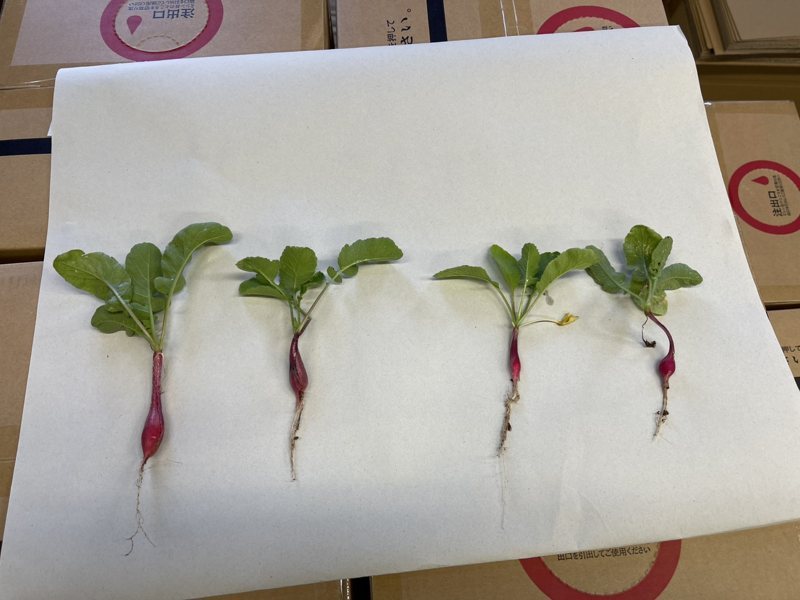
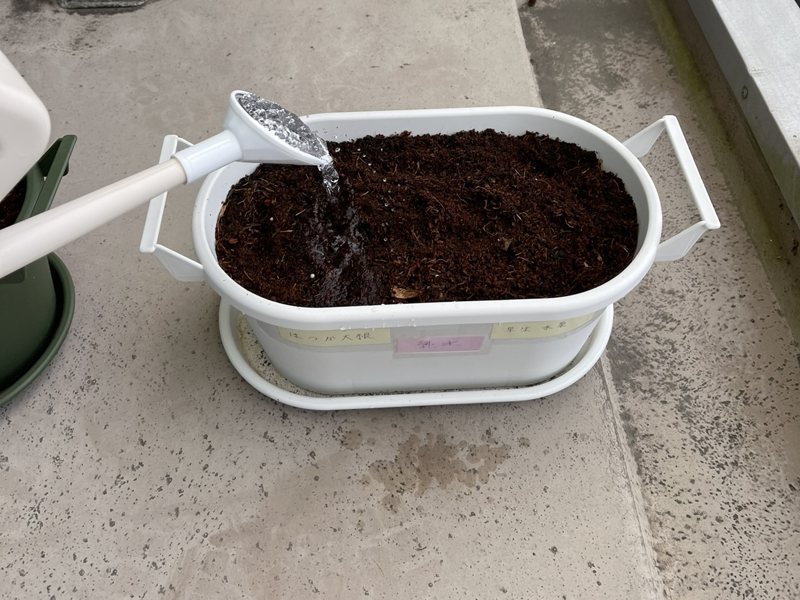
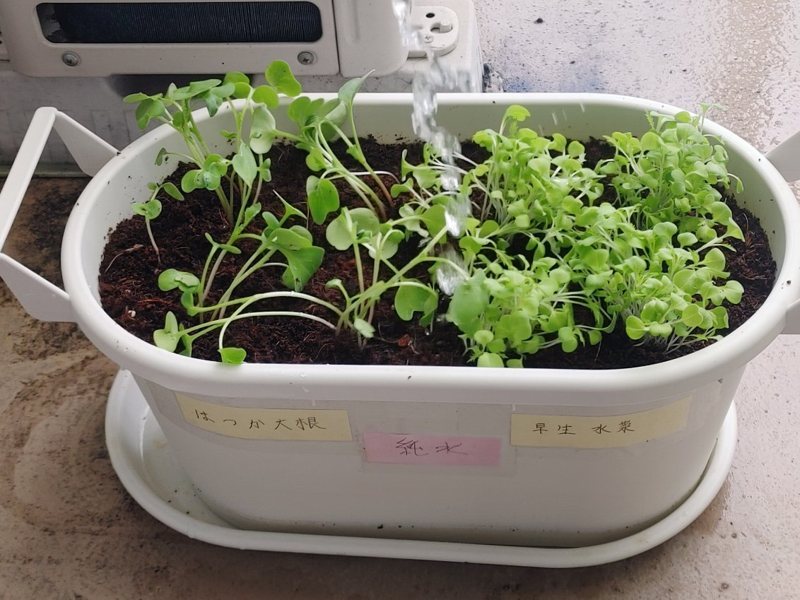
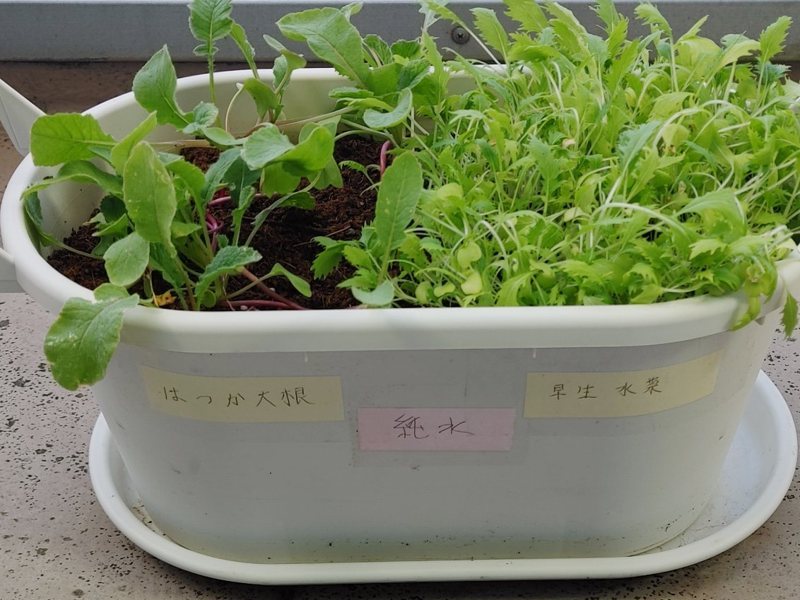
Mushroom Shiitake
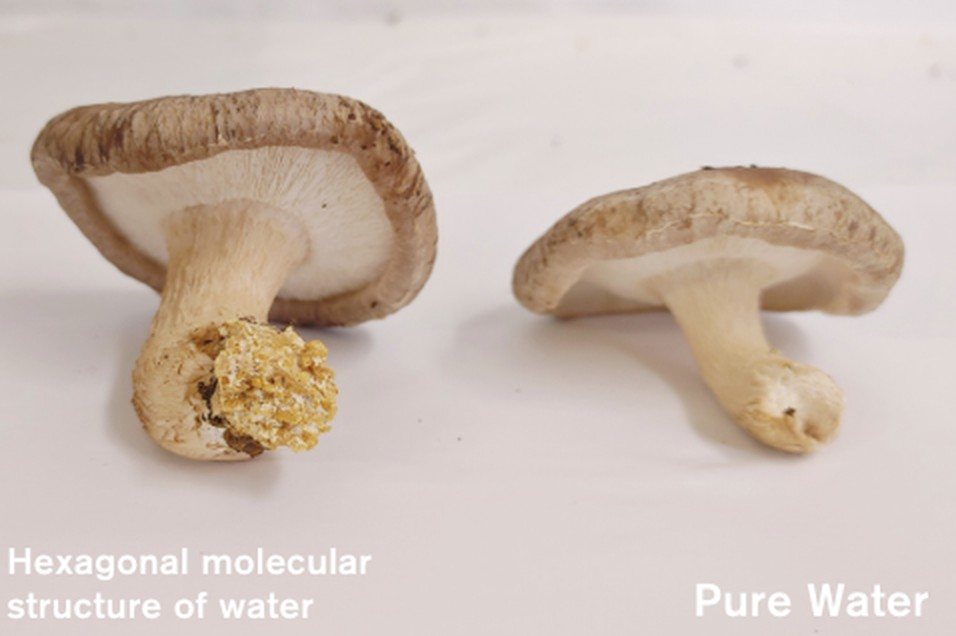
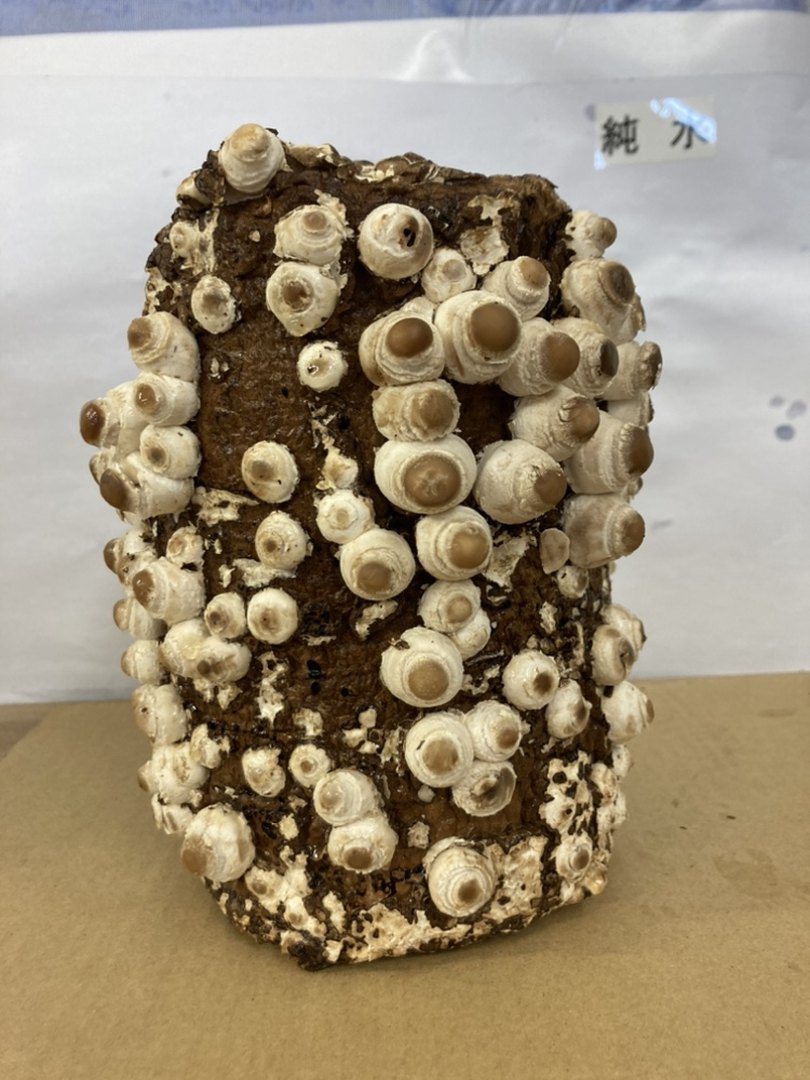
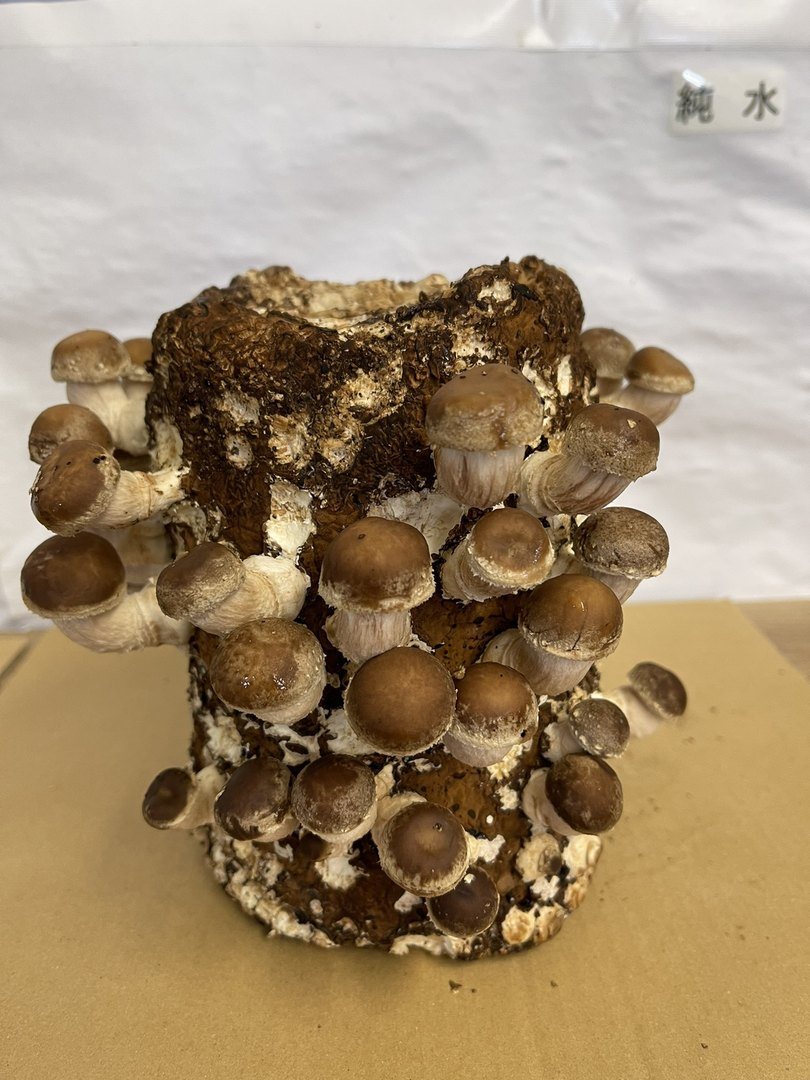
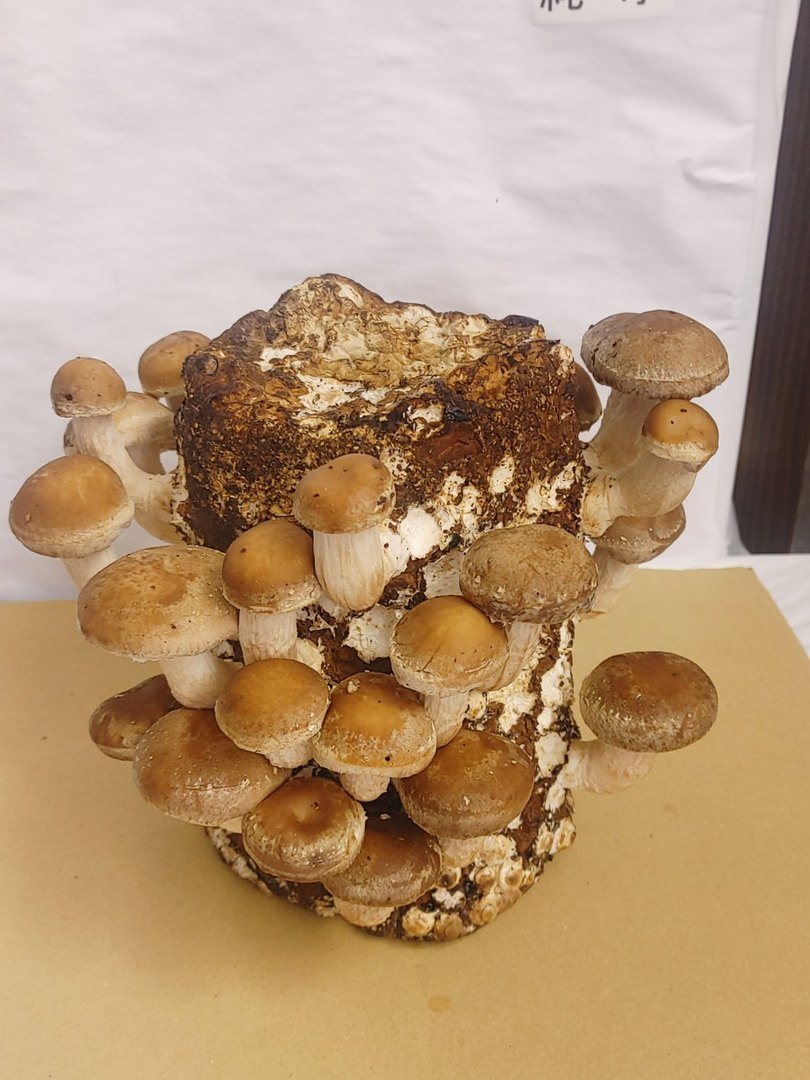
Vegetable harvest: hexagonal water on the left, pure water on the right.Toshiki Nakajima. (2019, February 9). The connecting power of life: Water, silicon, and Qi – Theory of the colloidal realm [結び合う命の力「水と珪素と氣—コロイダル領域論」]. JP Oversized.
Evidence
Key Application Focus of Plant UMO®
Field, soil and livestock trials.
Field Trials
↑ 129–189%
Rice yield
Yield, t/ha
Preliminary trial, 3–12 L/ha, 1,000× spray, about 91 days.
↑ 242.0%
Tomato yield
Yield, t/ha
T4, total 12 L, split into 3 applications.
More Results
↑ 153.0%
Long bean yield
T4, total 12 L, split into 3 applications.
Yield, t/ha
↓ 91.6%
Unproductive rice tillers
9 and 12 L/ha, 1,000× spray, about 91 days.
Tillers per plant sample
↑ 19.5%
Overall soil microbial assessment
Diversity and activity analysis. 3,000× dilution gave the highest result.
Standardised score
↓ 35–65%
Faecal indole in broilers
Odour-related substance. Drinking water, 7 weeks.
Relative value, control = 100
↑ 87.4%
Squash plant height, up to
Highest value may come from a different treatment group.
Relative value, control = 100 (best case)
↑ 58.3%
Calcium in leaf radish
Higher-concentration group. Silicon ↑26.8% and less bitter.
Relative value, control = 100
Rice husk
Giving Rice Husk a Second Use
Silicon recovered from agricultural by-products.
 Sustainable Development Goal
 Sustainable Development Goal
Sustainability
Supporting the SDGs
Quality
Testing
Test institute

Laboratories
Plant UMO®
Interested in Plant UMO® for your crops?
FAQ
Plant UMO® Water-Soluble Silicic Acid: Frequently Asked Questions
What is Plant UMO®?
Plant UMO® is an agricultural water-soluble silicic acid liquid made in Japan from rice husk. It contains ≥ 10 % water-soluble silicic acid (analysis 13.97 %), pH 12–13, and is supplied in 1 L and 20 L packs. In Japan it is registered as a fertiliser (registration no. 生第109919号) and it is sold as a fertiliser in Malaysia.
How is Plant UMO® applied?
Foliar spray or irrigation: dilute 3,000–8,000 times, from seedling to growth stage, every 7–10 days. Hydroponics: dilute 1,000–2,000 times in the nutrient solution. Flood application for paddy rice only: 1 L per 10 a (10 L per ha) after transplanting, after mid-season drainage and at panicle formation.
How much Plant UMO® is needed per hectare?
For foliar use the quantity depends on spray water volume, not area. At 500 L of spray water per hectare and 3,000–8,000× dilution, one round uses about 0.06–0.17 L per hectare, and a season of 6–10 rounds uses about 0.4–1.7 L per hectare. The 10 L per hectare flood rate applies to paddy rice only, never to vegetables, fruit or other field crops.
Is silicon a fertiliser nutrient?
Silicon is classed as a beneficial element: plants can complete their life cycle without it, but it improves growth and stress tolerance. Japan, China and Korea have formal silicate fertiliser categories. In other countries a silicon product is usually classified as a biostimulant or requires a new specification, so the classification must be confirmed with the local authority before sale.
Is Plant UMO® an adjuvant or surfactant?
No. Organosilicone surfactants (for example trisiloxane) are silicon-based spreading agents added to a spray tank to help another product. Plant UMO® works by supplying silicon that the plant absorbs. Its claims (growth, yield, stress tolerance) are biostimulant claims, so it should not be sold as an adjuvant.
What field evidence is there?
A field trial with Pampanga State Agricultural University in the Philippines, hydroponic lettuce and leaf-radish trials, a planter radish trial, a soil microbial diversity test and a preliminary rice trial are documented. Results are listed on the Evidence page and in the research articles under News; they are trial results, not guarantees of yield in every soil and climate.
Is Plant UMO® safe to handle?
An acute oral toxicity test in mice (OECD 420, 2019) on the Plant UMO® concentrated solution found no deaths or abnormalities at 2,000 mg/kg (LD50 > 2,000 mg/kg). The liquid is alkaline (pH 12–13), so wear gloves and eye protection when handling the concentrate and dilute before use.
Who supplies Plant UMO® outside Japan?
KIWITA SDN. BHD., Penang, Malaysia, APA Corporation's overseas sales company. KIWITA supplies the SDS, specification, COA, trial reports and registration support documents to importers and distributors, who handle local fertiliser or biostimulant registration.
Why is silicon a new input for agriculture outside Asia?
Japan, China and Korea have formal silicate fertiliser categories and have used silicon in rice farming for decades. In most other countries silicon is a beneficial element rather than an essential nutrient, so silicon products are registered as fertilisers or biostimulants depending on the local list. Plant UMO® is registered as a fertiliser in Japan (by-product fertiliser no. 109919) and sold as a fertiliser in Malaysia.
How does Plant UMO® differ from potassium silicate and sodium silicate fertilisers?
Plant UMO® is water-soluble silicic acid made from Japanese rice husk: water 83.5–89.5 %, silicic acid 10–15 % (SiO₂ ≥ 10 %, analysed 13 %), sodium bicarbonate 0.5–1.5 %. It is supplied as a concentrate diluted 5,000–8,000 times, so the amount of product per hectare per season is small. Silicate salts supply silicon as silicate ions with potassium or sodium; Plant UMO® supplies it as oligo-silicic acid, the form plant roots absorb.
Which crops have trial data?
Rice (Pampanga State Agricultural University, the Philippines): yield up 129–189 % in a preliminary trial, unproductive tillers down 91.6 %, soil microbial assessment up 19.5 %; squash plant height up 87.4 %. Mizuna and cherry radish and shiitake mushroom beds grown with hexagonal-structure water showed faster growth than pure water. Summaries are on this page; full reports are in the evidence package.
Can Plant UMO® be used for livestock?
Yes. Japanese patent publication JP 2018-191599 A covers a method for raising livestock and a feed additive. In a 7-week broiler trial with UMO® in drinking water, faecal indole, an odour-related substance, was 35–65 % lower than the control.
How does an importer register Plant UMO®?
The importer registers in its own country; KIWITA and APA supply the SDS, specification, composition, process description, Japanese fertiliser registration and trial reports. Whether the product falls under fertiliser, biostimulant or another category depends on the national list, so importers confirm with their local regulatory consultant.
What are the pack sizes and physical properties?
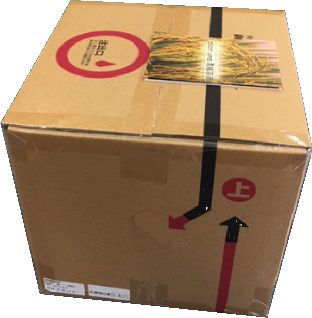
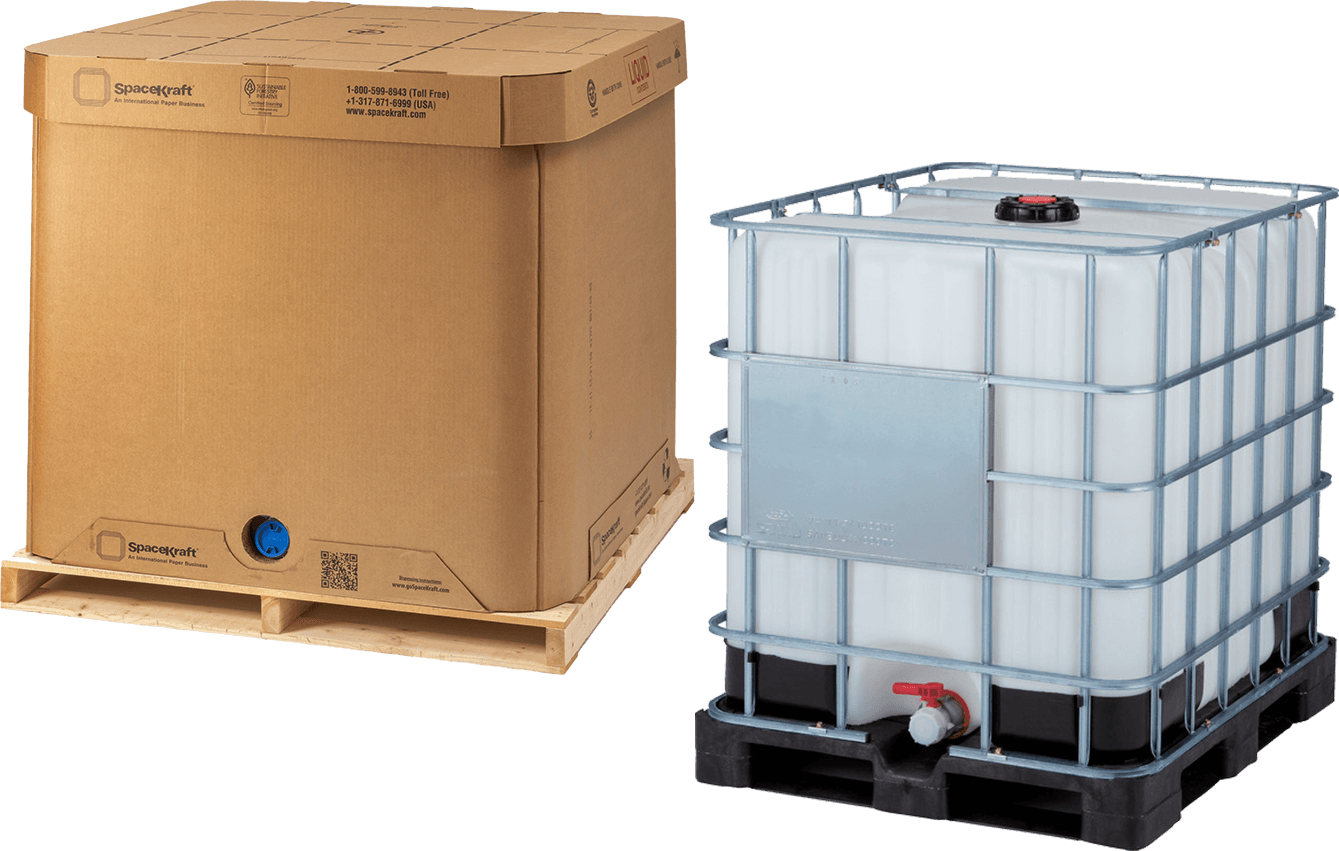
1 L, 20 L and 1,000 L. Clear alkaline liquid, pH 12–13, specific gravity 1.12–1.14, lot numbers PUN followed by 8 digits. Store sealed at room temperature, away from acids. Plant UMO® is an agricultural grade and is not used in cosmetics; for cosmetics use Crystal UMO® Liquid.