About the Soil Microbial Diversity and Activity Value Test
In the past, it was believed that good soil that does not develop soil-borne diseases contained many special and highly effective microorganisms. However, investigations conducted by national and prefectural research institutions have revealed that good soil does not necessarily contain special microorganisms, but rather that a wide diversity of microorganisms is present and highly active.
Based on this understanding, research was conducted to evaluate the diversity and activity of microorganisms in soil, leading to the development of the “Soil Microbial Diversity and Activity Value.”This index quantifies how vigorously soil microorganisms decompose various organic substances, providing an objective and scientific method for evaluating the biological quality of soil.
Test Samples
- Commercial potting soil and planters were used to cultivate Japanese radish sprouts (hatsuka-daikon), and the soil after cultivation was tested.
- During cultivation, irrigation water sprayed onto each planter was supplemented with water-soluble silica ultra-concentrated solution (for agriculture and livestock use).
- Four irrigation conditions were used:
- Tap water only
- 1,000× dilution
- 3,000× dilution
- 5,000× dilution
Test Results
| Sample | Soil Treatment | Soil Microbial Diversity & Activity Value | Deviation Value |
| Soil A | Tap water only (No silica added) | 959,225 | 54.9 |
| Soil B | Silica solution (1,000× dilution) | 914,201 | 53.6 |
| Soil C | Silica solution (3,000× dilution) | 1,146,263 | 60.0 |
| Soil D | Silica solution (5,000× dilution) | 978,054 | 55.4 |
Based on accumulated data held by the testing organization, the above values are generally interpreted as follows:
- 700,000–1,000,000: Soil management is relatively successful
- 1,000,000–1,300,000: Rich soil; crops are flavorful and less prone to disease
Note:The deviation value indicates how far a given value deviates from the average (50) within the population.
Discussion
From the results above, the soil treated with the 3,000× dilution exceeded a value of 1,000,000, indicating that good soil development had been achieved.The 1,000× dilution showed the lowest value, suggesting that this concentration may be slightly too strong. Based on these results, we consider 3,000× to 5,000× dilution to be the recommended guideline range.However, the optimal dilution may vary depending on soil condition, soil type, crop, and region. When using the water-soluble silica ultra-concentrated solution (for agriculture and livestock use), please apply it at an appropriate dilution rate.
Soil A: Tap Water Only
Soil Microbial Diversity and Activity Value – Test Report
The test results for the submitted sample are reported as follows:
- Sample No.: 36860
- Received: January 18, 2016
- Sampling Date: January 15, 2016
- Field Name (Current Crop): Soil irrigated with tap water (Japanese radish sprouts)
- Previous Crop: Japanese radish sprouts
- Next Crop: Undecided
- Remarks:
- Soil: —
- Fertilizer: Small amount of commercial chemical fertilizer used at sowing
- Pesticides: None
- Other: —
- Soil Microbial Diversity & Activity Value: 959,225 (Deviation Value: 54.9)
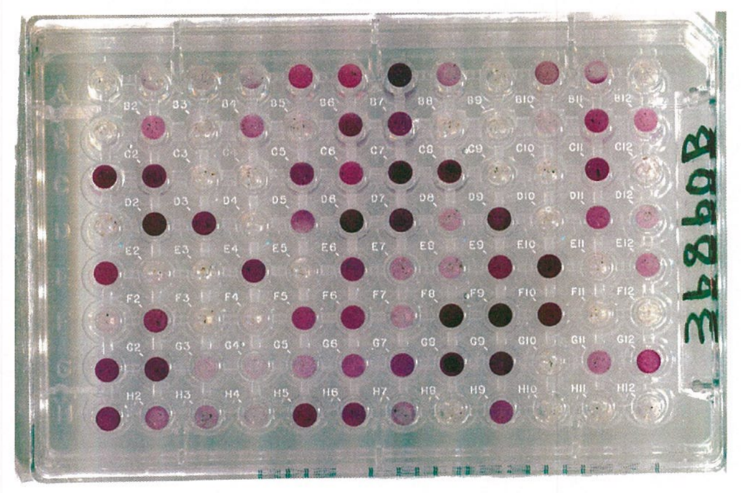
Plate coloration after 48 hours
Soil B: 1,000× Dilution
- Soil Microbial Diversity & Activity Value: 914,201 (Deviation Value: 53.6)
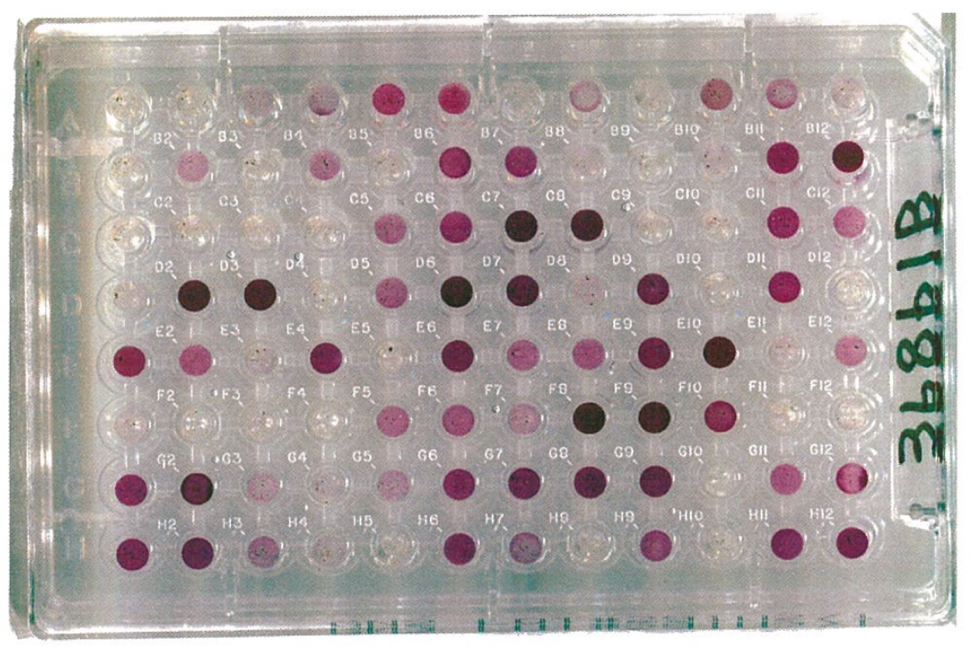
Plate coloration after 48 hours
Soil C: 3,000× Dilution
- Sample No.: 36862
- Soil Microbial Diversity & Activity Value: 1,146,263 (Deviation Value: 60.0)
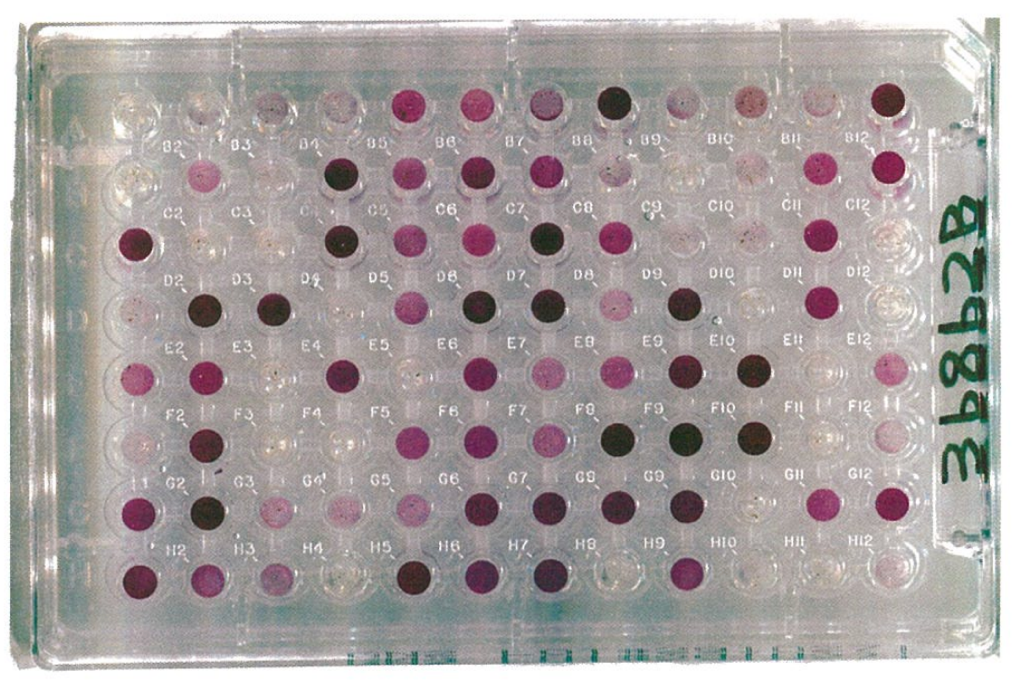
Plate coloration after 48 hours
Soil D: 5,000× Dilution
- Sample No.: 36863
- Soil Microbial Diversity & Activity Value: 978,054 (Deviation Value: 55.4)
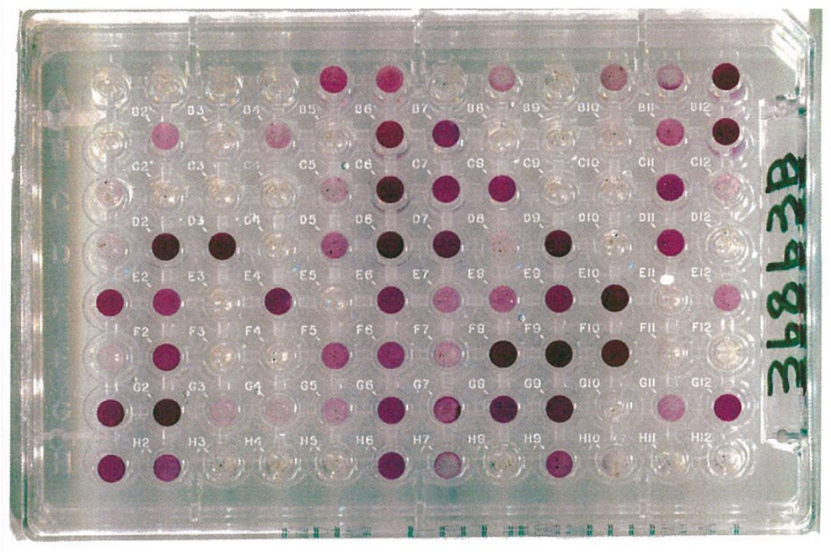
Plate coloration after 48 hours
Prepared on: February 8, 2016
(This document is a summarized extract from the official test reports.)
Note: This paper is translated from the following URL. The content is provided for reference on the scientific research of the raw material only. Whether APA raw materials are used or not, we hope this research will help increase understanding and awareness of body minerals.